
Change Filters Every 30 to 90 Days
The single most important task for maintaining your system is replacing the air filter. A clogged filter forces your unit to work harder, reducing efficiency by up to 15 percent and increasing energy costs significantly.
Check your filter monthly, especially during peak cooling season in South Florida when systems run nearly continuously. Standard disposable filters should be replaced every 30 to 60 days, while higher-efficiency pleated filters can last up to 90 days. Homes with pets, allergies, or frequent dust accumulation may require more frequent changes.
Locate your filter at the return air vent or inside the air handler cabinet. Note the size printed on the frame and purchase the correct replacement. When installing, ensure the arrow on the filter frame points toward the blower motor to maintain proper airflow direction.
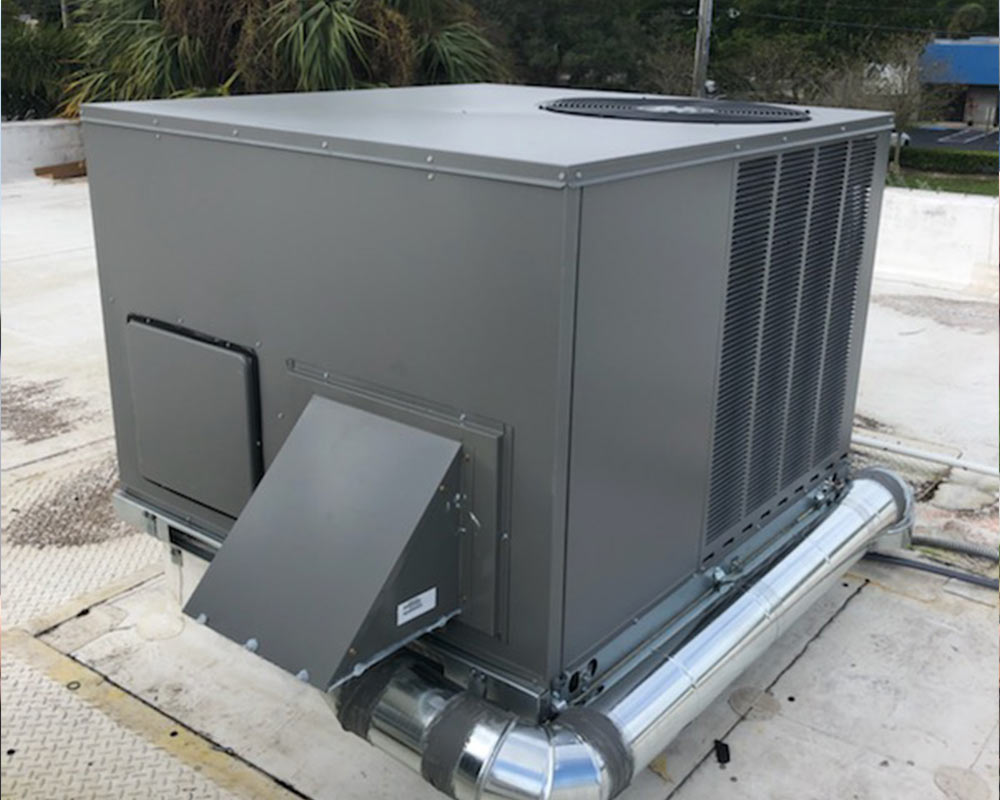
Maintain Two Feet of Clearance Around the Condenser
Your outdoor condenser unit needs proper airflow to function efficiently. Leaves, grass clippings, dirt, and vegetation can restrict airflow and cause your system to overheat, leading to premature failure and expensive repairs.
Inspect your outdoor unit monthly and remove any debris from the top and sides. Trim back shrubs, plants, and grass to maintain at least two feet of clearance on all sides. In Weston and surrounding areas, tropical storms and heavy rains can deposit debris quickly, so check after severe weather events.
Once per season, turn off power to the unit at the disconnect box, then gently spray the fins with a garden hose from the inside out to remove accumulated dirt. Avoid using a pressure washer, as the high pressure can bend the delicate aluminum fins. If fins are already bent, a fin comb can carefully straighten them to restore proper airflow.
Prevent Clogs with Simple Quarterly Maintenance
In Florida’s humid climate, your system removes gallons of moisture from the air daily. This water drains through a condensate line, which can become clogged with algae, mold, and debris, causing water damage and system shutdowns.
Locate the drain line, typically a white PVC pipe near your indoor unit with a vent opening. Every three months, pour a cup of distilled white vinegar or a mild bleach solution into the drain line to kill algae and prevent clogs. Let it sit for 30 minutes, then flush with a gallon of clean water.
Check the outdoor drain outlet to ensure water flows freely when your system runs. If you notice standing water in the drain pan or water leaking around your indoor unit, your drain line may be clogged and require professional cleaning. Many modern systems include a float switch that shuts down the unit if the drain pan fills, protecting your home from water damage.
Optimize Temperature for Efficiency and Comfort
Your thermostat controls when and how long your system runs, directly impacting energy consumption and component wear. Improper settings or a malfunctioning thermostat can waste energy and shorten equipment life.
Set your thermostat to 78 degrees during cooling season when you’re home, and increase it by 5 to 8 degrees when you’re away. Each degree below 78 increases energy consumption by approximately 3 to 5 percent. Consider upgrading to a programmable or smart thermostat that automatically adjusts temperatures based on your schedule.
Check that your thermostat is level and away from heat sources like direct sunlight, lamps, or appliances that could cause false readings. Replace batteries annually in battery-powered models, typically at the start of cooling season. If your system cycles on and off frequently or rooms have uneven temperatures, your thermostat may need recalibration or replacement.
For homes in South Florida where cooling dominates most of the year, proper thermostat management can reduce annual energy costs by 10 to 15 percent while extending equipment life by reducing unnecessary cycling.
Ensure Proper Airflow Throughout Your Home
Blocked or dirty vents restrict airflow, forcing your system to run longer to reach desired temperatures. This increases energy consumption, creates uneven cooling, and puts unnecessary strain on blower motors and other components.
Walk through your home monthly and ensure all supply vents (where cool air enters rooms) and return vents (where air is drawn back) are open and unobstructed by furniture, curtains, or rugs. Even partially blocked vents disrupt system balance and efficiency.
Remove vent covers quarterly and vacuum away dust buildup using a brush attachment. Wipe covers with a damp cloth and mild detergent, then dry completely before reinstalling. For deeper cleaning, remove registers and vacuum several feet into the ductwork to remove accumulated dust and debris.
Never close vents in unused rooms thinking it will save energy. Modern systems are balanced for specific airflow, and closing vents creates pressure imbalances that can damage ductwork, reduce efficiency, and cause premature equipment failure. If certain rooms are consistently too warm or cool, this indicates a system balancing issue that requires professional attention.